Mastering Work-Life Balance in 2026: A Practical Guide for the Modern Professional

The Evolution of Work-Life Balance in 2026
In the fast-paced professional landscape of 2026, the concept of work-life balance has shifted from a luxury to a fundamental necessity for mental and physical health. With the rise of hybrid work models across major US hubs like New York, Austin, and San Francisco, the lines between our living rooms and our offices have become increasingly blurred. Achieving a sustainable equilibrium is no longer just about clocking out at five; it is about intentional living and setting boundaries that protect your well-being in an era of constant digital connectivity.
Understanding the Modern Burnout Crisis
Burnout is a pervasive issue in the American workforce. As we navigate the complexities of 2026, many professionals find themselves tethered to their devices, responding to emails during dinner or checking project management apps during weekend outings. This 'always-on' culture is detrimental to long-term productivity and happiness. Recognizing the early signs—such as chronic fatigue, irritability, and a diminished sense of accomplishment—is the first step toward reclaiming your time. By prioritizing self-care, you aren't just improving your health; you are becoming a more effective and creative contributor to your organization.
Strategic Steps to Reclaim Your Personal Time
1. Establish Non-Negotiable Boundaries
The most effective way to protect your personal time is to define clear boundaries. In 2026, this might mean setting a 'digital sunset' where all work notifications are silenced by 7:00 PM. Communicate these expectations to your colleagues and managers clearly. Most employers in the United States are increasingly valuing output over hours logged, making it easier than ever to advocate for a schedule that respects your downtime.
2. Master the Art of Prioritization
Not all tasks are created equal. Use the Eisenhower Matrix to categorize your daily responsibilities into urgent, important, non-urgent, and non-important. By focusing your peak energy hours on high-impact tasks, you can complete your work more efficiently, leaving more room for leisure activities, whether that is a hike in a local state park or a quiet evening at home with family.
3. Leverage Technology Mindfully
While technology is often the culprit behind work-life imbalance, it can also be your greatest ally. Utilize productivity apps designed to streamline workflows and automate repetitive tasks. Tools that integrate with your calendar can help block out 'deep work' sessions, ensuring you have uninterrupted time to focus, which in turn prevents the need for overtime.
The Importance of Physical and Mental Wellness
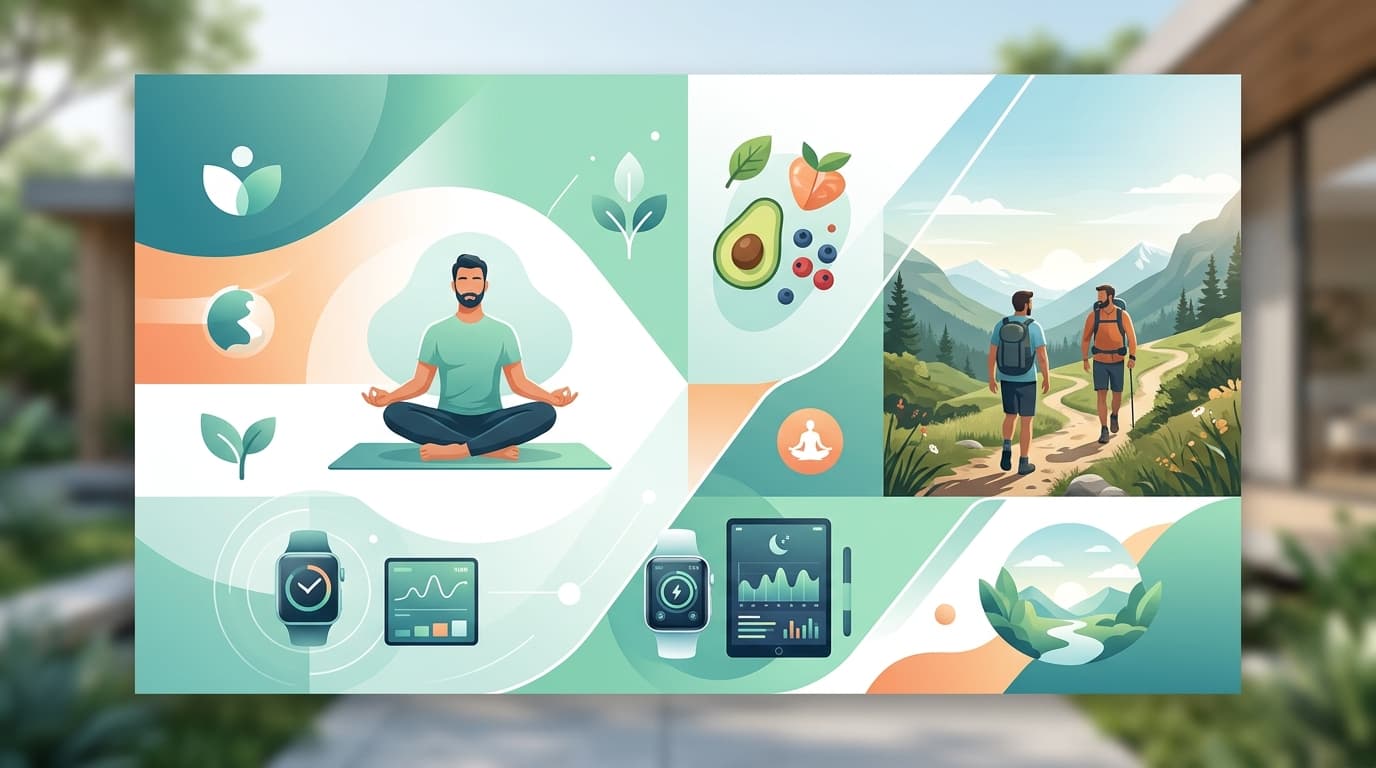
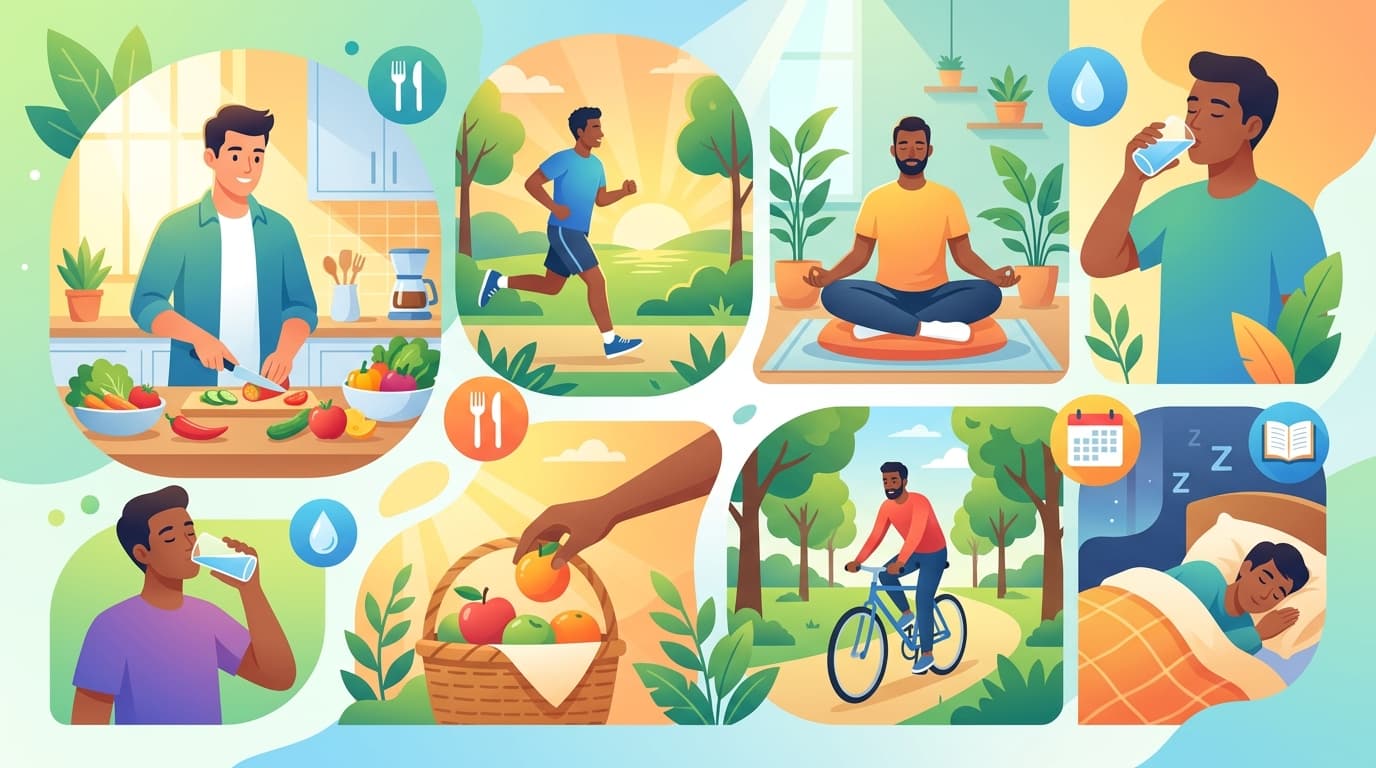
Wellness is the cornerstone of a balanced life. In 2026, the emphasis on holistic health has never been stronger. Incorporating physical activity into your daily routine—even if it is just a thirty-minute walk during lunch—can significantly reduce cortisol levels. Furthermore, mental health is just as critical. Practices like mindfulness meditation, journaling, or simply disconnecting from social media can provide the mental clarity needed to handle professional stress without bringing it home.
Consider joining local wellness groups or utilizing employee assistance programs that many US companies now offer. These resources can provide access to counseling, fitness stipends, and stress management workshops that are specifically tailored to the challenges of the modern worker.
Cultivating Hobbies Outside of the Office
One of the biggest pitfalls of professional life is letting work define your identity. When your career is your only focus, setbacks at the office feel like personal failures. To mitigate this, cultivate hobbies that have nothing to do with your professional skill set. Whether it is gardening, learning a new musical instrument, or volunteering for a local community cause, having an identity outside of work provides a necessary buffer against stress and adds joy to your life.
Creating a Sustainable Routine
Consistency is key to maintaining balance. Start by auditing your current schedule. Where are you losing time? Are there meetings that could be emails? Are you spending too much time on low-value tasks? By auditing your week, you can identify areas for improvement. Implement changes gradually—perhaps start by reclaiming your lunch hour or ensuring you have one screen-free evening per week. Over time, these small adjustments will compound into a much healthier lifestyle.
The Role of Communication in the Workplace
Open dialogue with your manager is vital. If you feel overwhelmed, have a constructive conversation about your workload. Frame it around productivity and quality; most managers want their employees to be high-performing, and that is impossible when someone is on the verge of burnout. Discuss potential solutions, such as delegating certain tasks or adjusting deadlines, to ensure that your work remains manageable.
Conclusion: Your Life is Your Own
In 2026, the pursuit of a healthy work-life balance is a continuous journey, not a destination. It requires constant self-reflection and the courage to make changes that prioritize your health over short-term professional gains. Remember that your career is a marathon, not a sprint. By setting boundaries, focusing on your well-being, and staying mindful of your time, you can excel in your professional endeavors while still enjoying the richness of a fulfilling personal life. Start today by making one small change, and watch as your overall quality of life begins to transform for the better.
Related Articles
Explore more articles you might like