How to Create a More Balanced and Stress-Free Lifestyle in 2026
Embracing a Calmer Way of Life in 2026
In the fast-paced landscape of the United States, finding true balance often feels like an impossible luxury. Between the demands of our careers, the pressure of social obligations, and the constant barrage of digital notifications, stress has become an unwanted companion for millions of Americans. However, as we navigate through 2026, there is a growing cultural shift toward prioritizing mental clarity and sustainable living. Creating a balanced, stress-free lifestyle is not about eliminating all challenges; it is about building a foundation that allows you to weather storms with resilience and grace.
Defining Your Personal Version of Balance
Balance looks different for everyone. For a busy parent in Chicago, it might mean finding thirty minutes of uninterrupted time for a morning walk. For a remote professional in Austin, it could involve strictly enforcing boundaries between work hours and personal life. As we look at the trends of 2026, the consensus is clear: balance is not a destination, but a practice. It requires you to audit your current habits and identify what truly adds value to your life versus what merely consumes your energy.
Start by assessing your 'time budget.' We often track our financial budgets, but we rarely apply the same rigor to our hours. Take a week to document how you spend your time. Are you spending hours doom-scrolling on social media? Are you overcommitting to social events that leave you feeling drained? By identifying these energy leaks, you can begin to reclaim your schedule. Remember, saying 'no' to others often means saying 'yes' to yourself.
The Power of Digital Minimalism
In 2026, the digital world is more intrusive than ever. To cultivate a stress-free environment, you must master your relationship with technology. Constant connectivity keeps our nervous systems in a state of high alert. Consider implementing 'digital sabbaths'—periods during the weekend where you disconnect completely from emails, news alerts, and social media. Even a few hours of tech-free time can significantly lower cortisol levels and improve your focus.
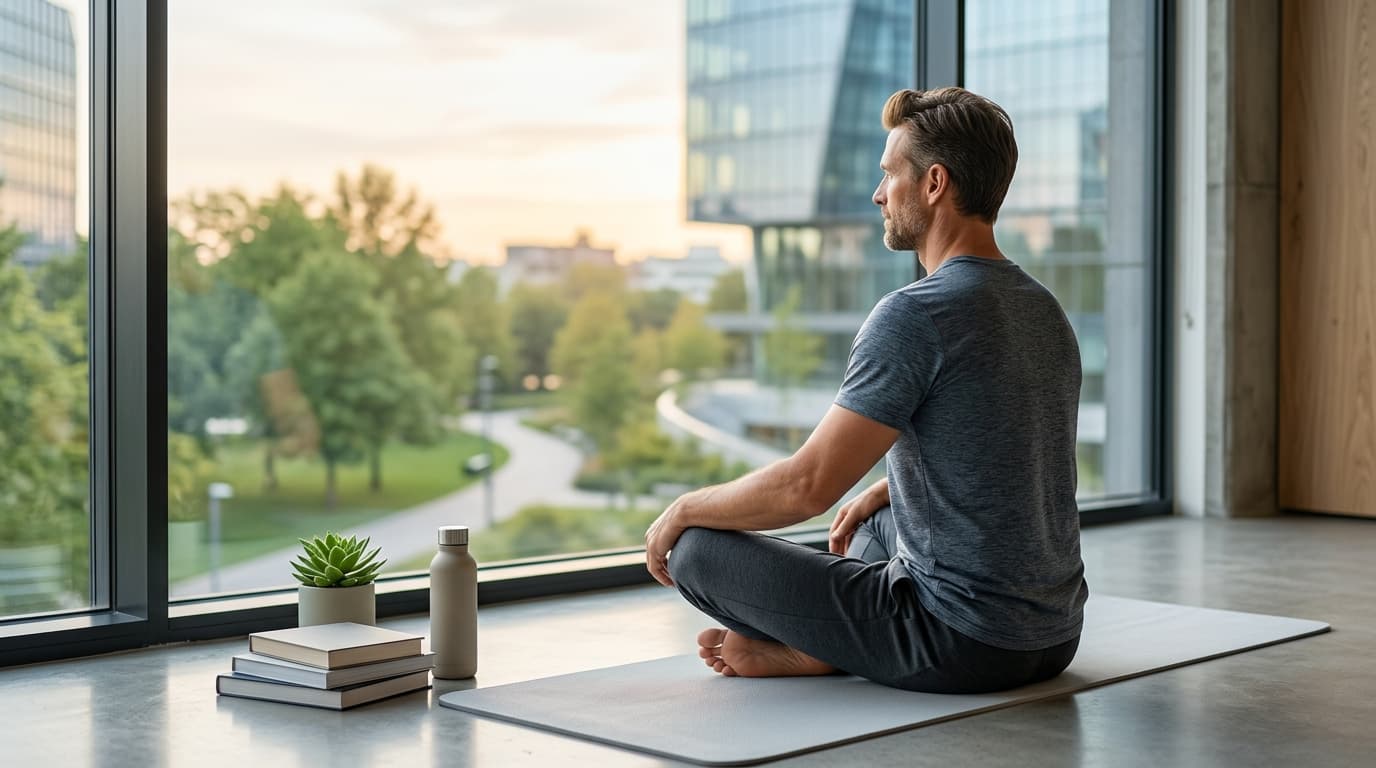
Try setting up 'no-phone zones' in your home. Perhaps the dining room or the bedroom should be dedicated to offline connection. By keeping your smartphone out of the bedroom, you improve the quality of your sleep, which is the most critical pillar of stress management. When you wake up, instead of reaching for your phone to check headlines or work messages, try spending five minutes in silence or meditation. This simple change sets a proactive tone for the day rather than a reactive one.
Prioritizing Physical Well-being as a Stress Buffer
Physical health is inextricably linked to mental peace. In 2026, we have access to more wellness resources than ever, from local community fitness centers to high-quality online nutrition coaching. However, you do not need an expensive gym membership to reduce stress. Walking is perhaps the most underrated tool for mental health. A brisk twenty-minute walk in a local park or even around your neighborhood can act as a natural reset button for your brain.
Nutrition also plays a massive role in how we handle stress. Processed foods and excessive caffeine can mimic or exacerbate feelings of anxiety. As you aim for a more balanced lifestyle this year, try to focus on whole, nutrient-dense foods. Many Americans are finding success with meal-prepping on Sundays, ensuring that healthy options are available throughout the busy work week. When your body is fueled correctly, your mind is better equipped to handle the stresses of the modern American workplace.
Setting Sustainable Boundaries
Boundaries are the invisible walls that protect your peace. In the professional sphere, this might mean refusing to answer emails after 6:00 PM or during the weekend. Many companies in the US are now recognizing the importance of employee well-being, and it is becoming increasingly acceptable to prioritize work-life integration. If you are struggling with workplace stress, have a candid conversation with your supervisor about expectations and realistic deadlines.
Outside of work, boundaries are equally vital. You are not obligated to attend every gathering, participate in every committee, or respond to every text immediately. Practice the art of the 'graceful decline.' You can be kind and professional while still protecting your time. By setting these boundaries, you teach others how to treat your time and energy, which ultimately leads to more respect and less resentment.
Cultivating Mindfulness and Present-Moment Awareness
Mindfulness is often misunderstood as needing to sit on a cushion for an hour every morning. In reality, mindfulness is simply the practice of being present. In 2026, we are often living in our heads—replaying past mistakes or worrying about future obligations. To live a stress-free life, you must learn to anchor yourself in the present moment. Whether you are washing dishes, driving to work, or talking to a friend, try to bring your full attention to that specific task.
If you find your mind racing, use the '5-4-3-2-1' technique: identify five things you can see, four things you can touch, three things you can hear, two things you can smell, and one thing you can taste. This quick exercise forces your brain to shift focus from internal anxiety to external reality, providing an immediate sense of calm.
Conclusion: Your Journey to Balance Starts Today
Creating a balanced and stress-free lifestyle in 2026 is a marathon, not a sprint. You will have days where you fall back into old habits, and that is perfectly okay. The key is to approach your life with self-compassion rather than harsh judgment. Start small—perhaps by choosing just one of the tips mentioned above—and build from there. As you slowly integrate these changes, you will find that you have more energy, better focus, and a greater capacity to enjoy the beautiful moments that life in the United States has to offer. Your peace of mind is worth the effort, so take that first step today.
Related Articles
Explore more articles you might like