How to Choose Outfits That Match Your Personal Style: A 2026 Style Guide
Defining Your Unique Aesthetic in 2026
In the fast-paced world of 2026, fashion trends shift faster than ever, driven by viral social media moments and rapid digital consumption. However, the most stylish individuals in the United States understand that true fashion is not about chasing every fleeting trend; it is about cultivating a personal style that feels authentic to who you are. Developing a signature look is a journey of self-discovery that bridges the gap between your personality and your outward appearance. Whether you are navigating a corporate office in Chicago or enjoying a casual weekend in Los Angeles, your clothing serves as your primary form of non-verbal communication.
Why Personal Style Matters
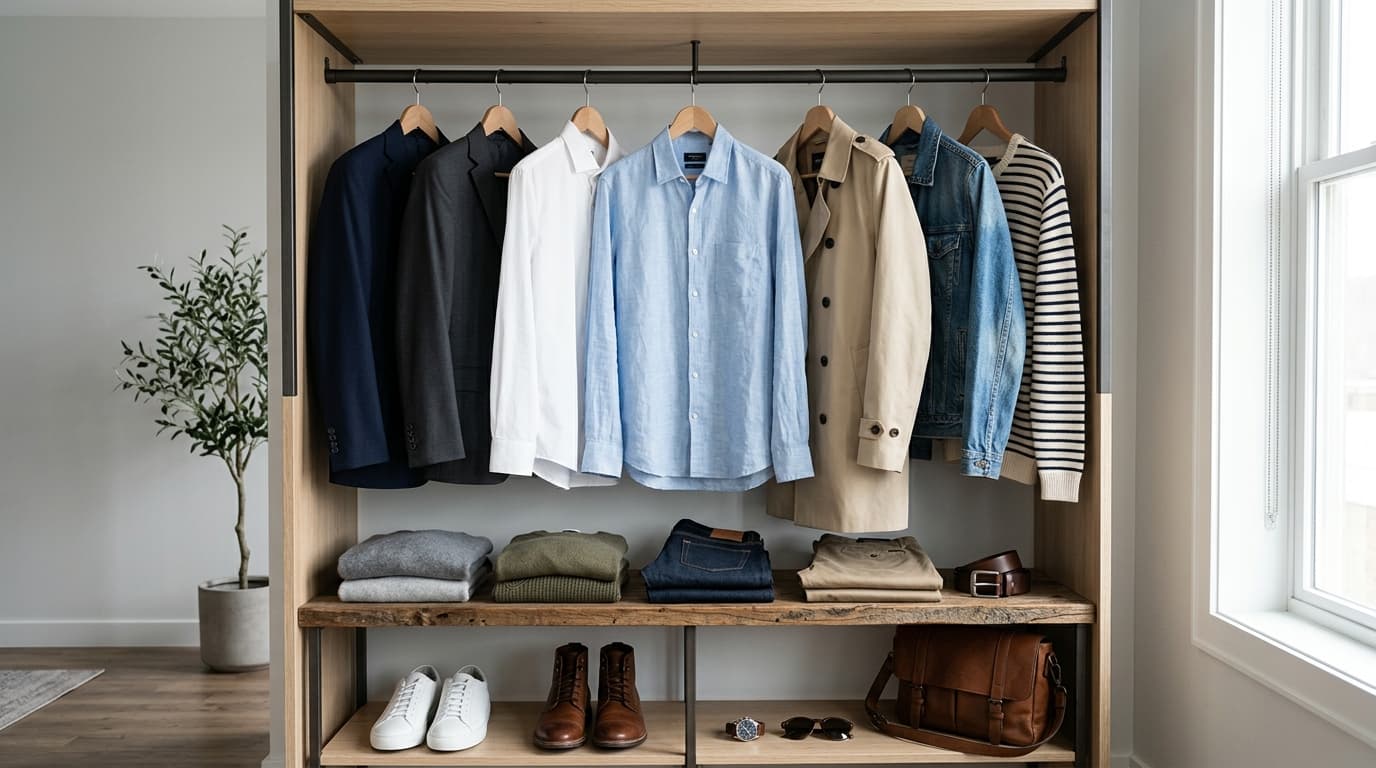
Personal style is not just about aesthetics; it is about confidence. When you wear clothes that align with your true self, your posture improves, your interactions become more genuine, and you spend significantly less time worrying about what others think. In 2026, the rise of conscious consumerism means that many Americans are moving away from 'fast fashion' toward building curated 'capsule wardrobes.' This shift allows for more intentional shopping, saving you money in the long run while reducing your environmental footprint. By understanding what fits your lifestyle and your body type, you can craft a wardrobe that makes getting dressed every morning a joy rather than a chore.
Phase 1: The Audit and Self-Reflection
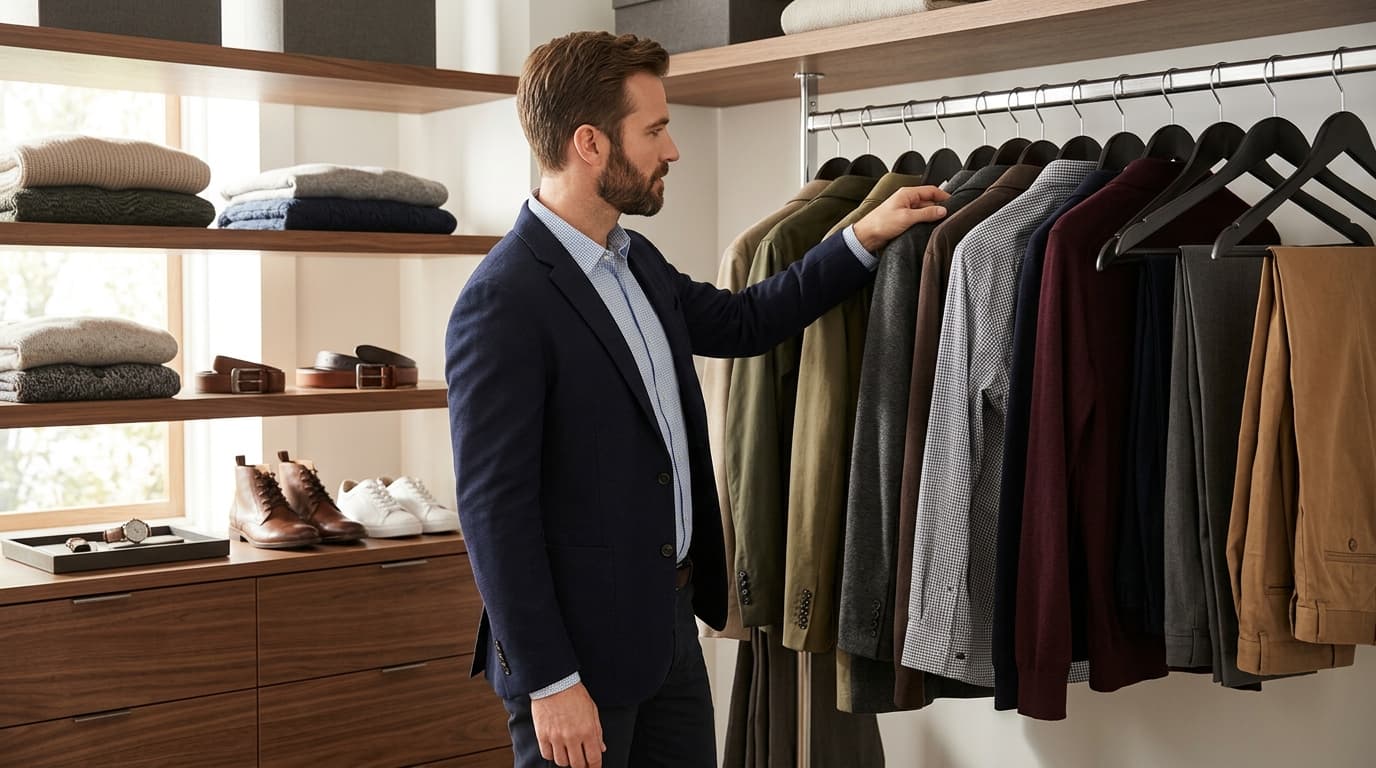
Before you can build a new wardrobe, you must understand what you already have and why you have it. Start by auditing your closet. Take every item out and categorize them into three piles: 'Love,' 'Maybe,' and 'Discard.' As you go through these, ask yourself: 'Does this item make me feel powerful?' 'Does it fit my current lifestyle in 2026?' 'Is it comfortable?' If the answer is no, it likely does not belong in your permanent collection. This process is essential for identifying the patterns in your past purchases that no longer serve your present needs.
Identifying Your Style Archetypes
Most people lean toward a few key style archetypes. Understanding these can help you narrow down your preferences. Are you a 'Minimalist' who prefers clean lines and neutral palettes? Perhaps you are a 'Bohemian' who loves flowy fabrics and eclectic patterns. Maybe you lean toward 'Classic Preppy' with structured blazers and high-quality denim, or 'Streetwear Edgy' with oversized silhouettes and statement sneakers. It is perfectly acceptable to blend these styles, but identifying your 'anchor' style will help you make more consistent purchasing decisions throughout the year.
Phase 2: The Practical Application
Once you have identified your preferences, it is time to turn theory into practice. When shopping at your favorite US retailers or boutique shops, use the 'Three-Outfit Rule.' Before you purchase any new garment, challenge yourself to think of three different ways to style it with items you already own. If you cannot visualize three outfits, the piece will likely end up forgotten in the back of your closet. This rule is a game-changer for maintaining a functional and versatile wardrobe.
Focusing on Fit and Fabric
In 2026, the emphasis is heavily on quality over quantity. Even a simple white t-shirt looks significantly different depending on the weight of the cotton and the precision of the tailoring. When choosing outfits, prioritize fabrics that feel luxurious against your skin and hold their shape. Linen, organic cotton, and high-quality wool blends are excellent choices for the varying climates across the United States. Furthermore, do not underestimate the power of a professional tailor. Taking a pair of trousers or a dress to a local tailor to ensure a perfect fit can make a $50 item look like a $500 designer piece. Tailoring is the secret weapon of every well-dressed person.
Phase 3: Curating Your Signature Look
Developing a signature look does not mean wearing the same thing every day, but rather having a cohesive 'thread' that connects your outfits. This could be a specific color palette, a preference for certain accessories, or a recurring silhouette. For instance, if you love monochromatic looks, you might gravitate toward navy, cream, and charcoal tones. If you are a fan of statement jewelry, you might keep your clothing simple and let your accessories tell the story. Experimentation is key during this phase. Try to step outside your comfort zone once every few weeks by testing a new color or a different silhouette—you might be surprised by what resonates with you.
The Role of Accessories
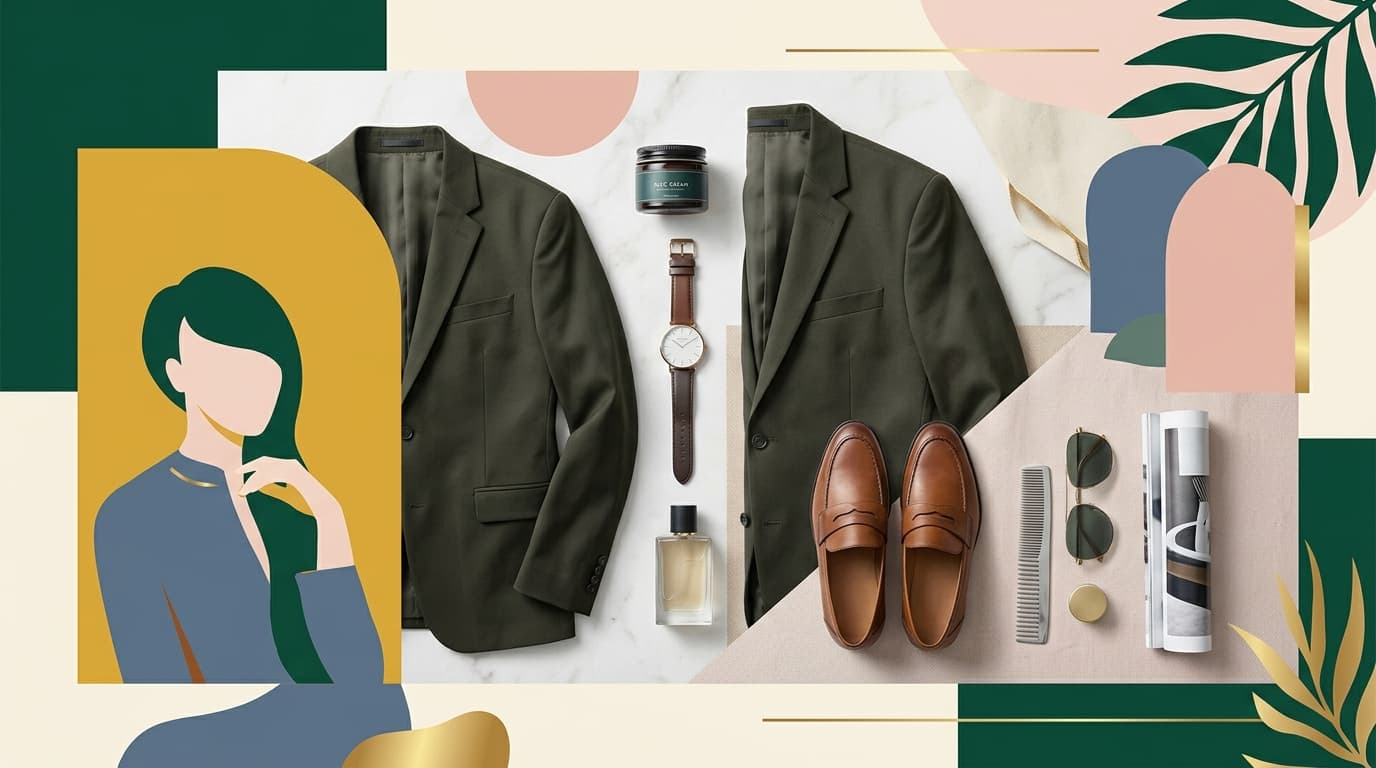
Accessories are the punctuation marks of your outfit. A simple outfit consisting of jeans and a plain top can be completely transformed by the right belt, a structured handbag, or a pair of classic sunglasses. In 2026, the trend is toward timeless, high-quality accessories that elevate an outfit without overwhelming it. Consider investing in a few 'hero' pieces—like a high-quality leather belt or a classic watch—that you can wear with almost anything in your closet. These items offer the best cost-per-wear ratio and solidify your personal brand.
Conclusion: Your Style is a Living Evolution
Choosing outfits that match your personal style is not a one-time event; it is an ongoing process of evolution. As your life changes—whether you change jobs, move to a new city, or simply grow older—your style will naturally shift with you. Embrace this change. The goal is to feel like the best version of yourself every single day. By being mindful of your purchases, focusing on quality, and staying true to what makes you feel confident, you will develop a wardrobe that is not only stylish but deeply personal. Remember that the ultimate trend in 2026 is authenticity. Wear what makes you happy, own your choices, and carry yourself with the confidence that comes from knowing exactly who you are and how you want to present that to the world.
Related Articles
Explore more articles you might like